

Introduction
Precision medicine has transformed modern healthcare by shifting from a one-size-fits-all approach to personalized treatment strategies based on an individual's genetic, molecular, and clinical characteristics. As researchers continue to explore the biological differences among patients, tissue arrays have emerged as an indispensable tool for advancing medical discoveries. Tissue arrays enable scientists to examine hundreds of tissue samples simultaneously, making research faster, more efficient, and highly reliable. Their ability to support biomarker discovery, disease classification, and therapeutic evaluation has made them a cornerstone of both precision medicine and clinical research.
What Are Tissue Arrays?
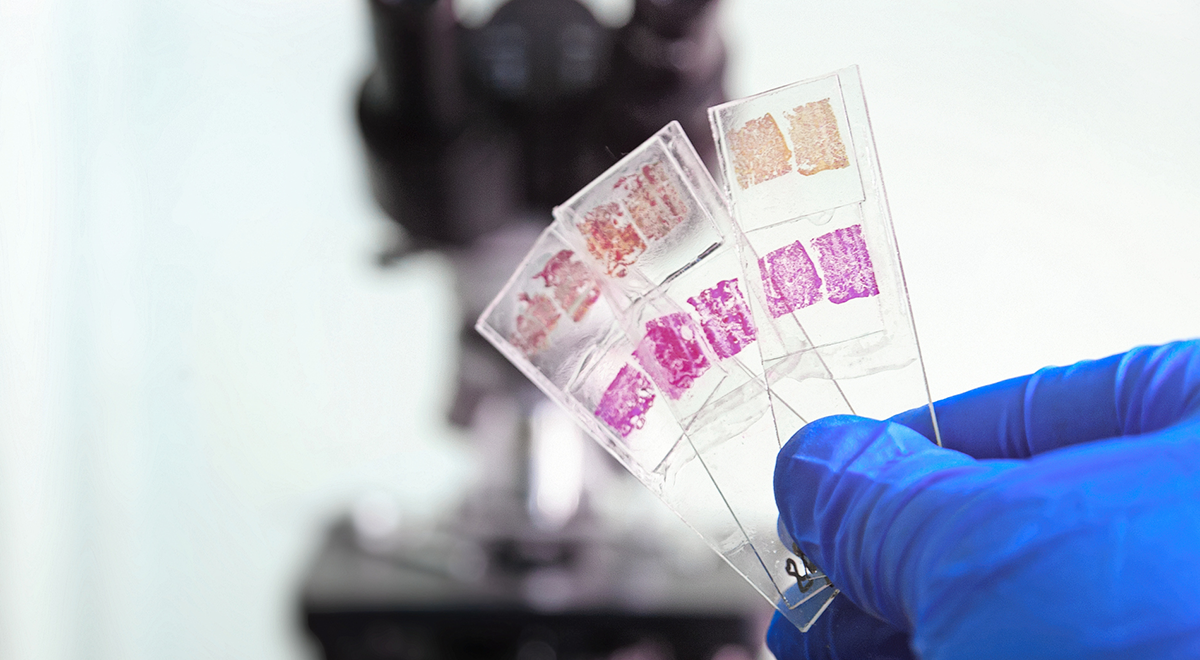
Tissue arrays, commonly known as tissue microarrays (TMAs), are laboratory platforms that contain multiple small tissue samples embedded into a single paraffin block. Each tiny tissue core represents a different patient or specimen, allowing researchers to analyze numerous samples under identical laboratory conditions.
This innovative technique minimizes experimental variation while conserving valuable tissue samples and laboratory resources. Tissue arrays are widely used with immunohistochemistry (IHC), fluorescence in situ hybridization (FISH), and molecular pathology techniques to evaluate protein expression, gene amplification, and other biological markers.
Supporting Precision Medicine Through Biomarker Discovery
One of the primary goals of precision medicine is to identify biomarkers that help predict disease progression and treatment response. Tissue arrays play a critical role in this process by enabling researchers to compare biomarker expression across hundreds of patient samples within a single experiment.
Scientists can quickly determine whether a particular protein or genetic alteration is consistently associated with a specific disease or clinical outcome. These discoveries contribute to the development of diagnostic tests that allow physicians to personalize treatment plans based on each patient's unique biological profile.
As new biomarkers continue to emerge, tissue arrays accelerate their validation before they become part of routine clinical practice.
Accelerating Cancer Research
Cancer research has benefited enormously from tissue array technology. Tumors often vary significantly between patients, even when they originate from the same organ. Understanding these molecular differences is essential for developing targeted therapies.
Using tissue arrays, researchers can analyze tumor samples from diverse patient populations to identify proteins, genes, or signaling pathways linked to specific cancer subtypes. This information helps classify tumors more accurately and supports the development of individualized treatment strategies.
Additionally, tissue arrays allow researchers to evaluate how biomarkers correlate with survival rates, recurrence risks, and responses to chemotherapy, immunotherapy, or targeted medications.
Improving Clinical Research Efficiency
Clinical research often involves analyzing large collections of patient specimens to validate scientific findings. Traditional methods require processing one tissue sample at a time, making studies expensive and time-consuming.
Tissue arrays dramatically improve efficiency by allowing hundreds of specimens to be processed simultaneously. Since all samples undergo identical staining and analysis procedures, researchers obtain highly standardized and reproducible results.
This increased efficiency reduces laboratory costs while enabling larger clinical studies that generate stronger statistical evidence.
Enhancing Drug Development
The development of new medicines requires extensive testing to determine whether potential therapies effectively target disease-specific molecules. Tissue arrays provide pharmaceutical researchers with an efficient method for evaluating drug targets across multiple tissue types.
Researchers can examine whether a potential therapeutic target is present in different patient populations or whether certain biomarkers predict better responses to experimental treatments.
These insights help pharmaceutical companies identify suitable patient groups for clinical trials, improving trial success rates while reducing unnecessary costs and delays.
Facilitating Personalized Treatment Decisions
Personalized medicine relies on understanding the molecular characteristics of individual diseases rather than treating all patients the same way. Tissue arrays contribute by validating biomarkers that guide treatment selection.
For example, if researchers discover that patients expressing a particular protein respond better to a targeted therapy, clinicians can use diagnostic tests based on that biomarker to determine which patients are most likely to benefit.
This approach minimizes ineffective treatments, reduces side effects, and improves patient outcomes by matching therapies with the individuals most likely to respond successfully.
Supporting Translational Research
Translational research bridges the gap between laboratory discoveries and real-world clinical applications. Tissue arrays serve as a valuable platform for translating experimental findings into diagnostic and therapeutic advancements.
When researchers identify promising molecular markers in laboratory experiments, tissue arrays allow them to validate these findings using large collections of human tissue samples. Successful validation strengthens confidence that the discoveries have clinical significance and may eventually improve patient care.
This process accelerates the movement of scientific innovations from research laboratories into hospitals and healthcare systems.
Maintaining High Research Quality
Scientific accuracy depends on consistency and reproducibility. Tissue arrays help maintain high research standards by ensuring that all tissue samples are processed under identical experimental conditions.
Uniform sample preparation reduces technical variability, making it easier to compare results across multiple specimens. Furthermore, standardized protocols improve collaboration among research institutions by allowing studies to be reproduced more reliably.
These advantages increase confidence in research findings and contribute to the development of evidence-based medical practices.
Expanding Applications Beyond Oncology
Although tissue arrays are widely recognized for their role in cancer research, their applications extend to many other medical specialties. Researchers use tissue arrays to investigate cardiovascular diseases, neurological disorders, autoimmune conditions, infectious diseases, and metabolic disorders.
By analyzing tissue samples from various diseases, scientists gain valuable insights into disease mechanisms, identify potential biomarkers, and evaluate new therapeutic targets. This broad applicability makes tissue arrays an essential resource across numerous fields of biomedical research.
What Are Tissue Arrays?
0
Advances in artificial intelligence, digital pathology, and molecular diagnostics are expanding the capabilities of tissue arrays. Automated image analysis systems can rapidly evaluate biomarker expression with greater precision and consistency than manual assessment.
Integration with genomic sequencing and proteomic technologies will further enhance researchers' ability to understand complex diseases at multiple biological levels. As personalized medicine continues to evolve, tissue arrays will remain central to identifying new biomarkers, validating diagnostic tests, and supporting the development of innovative targeted therapies.
Emerging technologies may also enable three-dimensional tissue models and more sophisticated multiplex analyses, allowing scientists to study multiple biomarkers simultaneously while preserving tissue architecture.
What Are Tissue Arrays?
1
Tissue arrays have become one of the most valuable tools in precision medicine and clinical research. Their ability to analyze hundreds of tissue samples efficiently, accurately, and consistently has accelerated biomarker discovery, cancer research, drug development, and personalized treatment strategies. By reducing research costs, improving reproducibility, and supporting large-scale clinical studies, tissue arrays continue to drive medical innovation. As technology advances and precision medicine becomes increasingly integrated into healthcare, tissue arrays will play an even greater role in improving disease diagnosis, guiding targeted therapies, and ultimately enhancing patient outcomes worldwide.
Introduction
Precision medicine has transformed modern healthcare by shifting from a one-size-fits-all approach to personalized treatment strategies based on an individual's genetic, molecular, and clinical characteristics. As researchers continue to explore the biological differences among patients, tissue arrays have emerged as an indispensable tool for advancing medical discoveries. Tissue arrays enable scientists to examine hundreds of tissue samples simultaneously, making research faster, more efficient, and highly reliable. Their ability to support biomarker discovery, disease classification, and therapeutic evaluation has made them a cornerstone of both precision medicine and clinical research.
What Are Tissue Arrays?
Tissue arrays, commonly known as tissue microarrays (TMAs), are laboratory platforms that contain multiple small tissue samples embedded into a single paraffin block. Each tiny tissue core represents a different patient or specimen, allowing researchers to analyze numerous samples under identical laboratory conditions.
This innovative technique minimizes experimental variation while conserving valuable tissue samples and laboratory resources. Tissue arrays are widely used with immunohistochemistry (IHC), fluorescence in situ hybridization (FISH), and molecular pathology techniques to evaluate protein expression, gene amplification, and other biological markers.
Supporting Precision Medicine Through Biomarker Discovery
One of the primary goals of precision medicine is to identify biomarkers that help predict disease progression and treatment response. Tissue arrays play a critical role in this process by enabling researchers to compare biomarker expression across hundreds of patient samples within a single experiment.
Scientists can quickly determine whether a particular protein or genetic alteration is consistently associated with a specific disease or clinical outcome. These discoveries contribute to the development of diagnostic tests that allow physicians to personalize treatment plans based on each patient's unique biological profile.
As new biomarkers continue to emerge, tissue arrays accelerate their validation before they become part of routine clinical practice.
Accelerating Cancer Research
Cancer research has benefited enormously from tissue array technology. Tumors often vary significantly between patients, even when they originate from the same organ. Understanding these molecular differences is essential for developing targeted therapies.
Using tissue arrays, researchers can analyze tumor samples from diverse patient populations to identify proteins, genes, or signaling pathways linked to specific cancer subtypes. This information helps classify tumors more accurately and supports the development of individualized treatment strategies.
Additionally, tissue arrays allow researchers to evaluate how biomarkers correlate with survival rates, recurrence risks, and responses to chemotherapy, immunotherapy, or targeted medications.
Improving Clinical Research Efficiency
Clinical research often involves analyzing large collections of patient specimens to validate scientific findings. Traditional methods require processing one tissue sample at a time, making studies expensive and time-consuming.
Tissue arrays dramatically improve efficiency by allowing hundreds of specimens to be processed simultaneously. Since all samples undergo identical staining and analysis procedures, researchers obtain highly standardized and reproducible results.
This increased efficiency reduces laboratory costs while enabling larger clinical studies that generate stronger statistical evidence.
Enhancing Drug Development
The development of new medicines requires extensive testing to determine whether potential therapies effectively target disease-specific molecules. Tissue arrays provide pharmaceutical researchers with an efficient method for evaluating drug targets across multiple tissue types.
Researchers can examine whether a potential therapeutic target is present in different patient populations or whether certain biomarkers predict better responses to experimental treatments.
These insights help pharmaceutical companies identify suitable patient groups for clinical trials, improving trial success rates while reducing unnecessary costs and delays.
Facilitating Personalized Treatment Decisions
Personalized medicine relies on understanding the molecular characteristics of individual diseases rather than treating all patients the same way. Tissue arrays contribute by validating biomarkers that guide treatment selection.
For example, if researchers discover that patients expressing a particular protein respond better to a targeted therapy, clinicians can use diagnostic tests based on that biomarker to determine which patients are most likely to benefit.
This approach minimizes ineffective treatments, reduces side effects, and improves patient outcomes by matching therapies with the individuals most likely to respond successfully.
Supporting Translational Research
Translational research bridges the gap between laboratory discoveries and real-world clinical applications. Tissue arrays serve as a valuable platform for translating experimental findings into diagnostic and therapeutic advancements.
When researchers identify promising molecular markers in laboratory experiments, tissue arrays allow them to validate these findings using large collections of human tissue samples. Successful validation strengthens confidence that the discoveries have clinical significance and may eventually improve patient care.
This process accelerates the movement of scientific innovations from research laboratories into hospitals and healthcare systems.
Maintaining High Research Quality
Scientific accuracy depends on consistency and reproducibility. Tissue arrays help maintain high research standards by ensuring that all tissue samples are processed under identical experimental conditions.
Uniform sample preparation reduces technical variability, making it easier to compare results across multiple specimens. Furthermore, standardized protocols improve collaboration among research institutions by allowing studies to be reproduced more reliably.
These advantages increase confidence in research findings and contribute to the development of evidence-based medical practices.
Expanding Applications Beyond Oncology
Although tissue arrays are widely recognized for their role in cancer research, their applications extend to many other medical specialties. Researchers use tissue arrays to investigate cardiovascular diseases, neurological disorders, autoimmune conditions, infectious diseases, and metabolic disorders.
By analyzing tissue samples from various diseases, scientists gain valuable insights into disease mechanisms, identify potential biomarkers, and evaluate new therapeutic targets. This broad applicability makes tissue arrays an essential resource across numerous fields of biomedical research.
What Are Tissue Arrays?
0
Advances in artificial intelligence, digital pathology, and molecular diagnostics are expanding the capabilities of tissue arrays. Automated image analysis systems can rapidly evaluate biomarker expression with greater precision and consistency than manual assessment.
Integration with genomic sequencing and proteomic technologies will further enhance researchers' ability to understand complex diseases at multiple biological levels. As personalized medicine continues to evolve, tissue arrays will remain central to identifying new biomarkers, validating diagnostic tests, and supporting the development of innovative targeted therapies.
Emerging technologies may also enable three-dimensional tissue models and more sophisticated multiplex analyses, allowing scientists to study multiple biomarkers simultaneously while preserving tissue architecture.
What Are Tissue Arrays?
1
Tissue arrays have become one of the most valuable tools in precision medicine and clinical research. Their ability to analyze hundreds of tissue samples efficiently, accurately, and consistently has accelerated biomarker discovery, cancer research, drug development, and personalized treatment strategies. By reducing research costs, improving reproducibility, and supporting large-scale clinical studies, tissue arrays continue to drive medical innovation. As technology advances and precision medicine becomes increasingly integrated into healthcare, tissue block arrays will play an even greater role in improving disease diagnosis, guiding targeted therapies, and ultimately enhancing patient outcomes worldwide.